It was early December when I landed at Dimapur airport, the only one in Nagaland, tucked away in India’s far northeast. My reason for visiting was simple: the Hornbill Festival. I had seen countless pictures of it online — vibrant costumes, tribal dances, roaring bonfires — but little else was said about what lay beyond the celebrations. So, I arrived with an open mind and few plans, hoping to understand what makes Nagaland unique. Here’s me telling you about all the Nagaland tourist places to visit and how to make the most of your trip.
The road to the hills
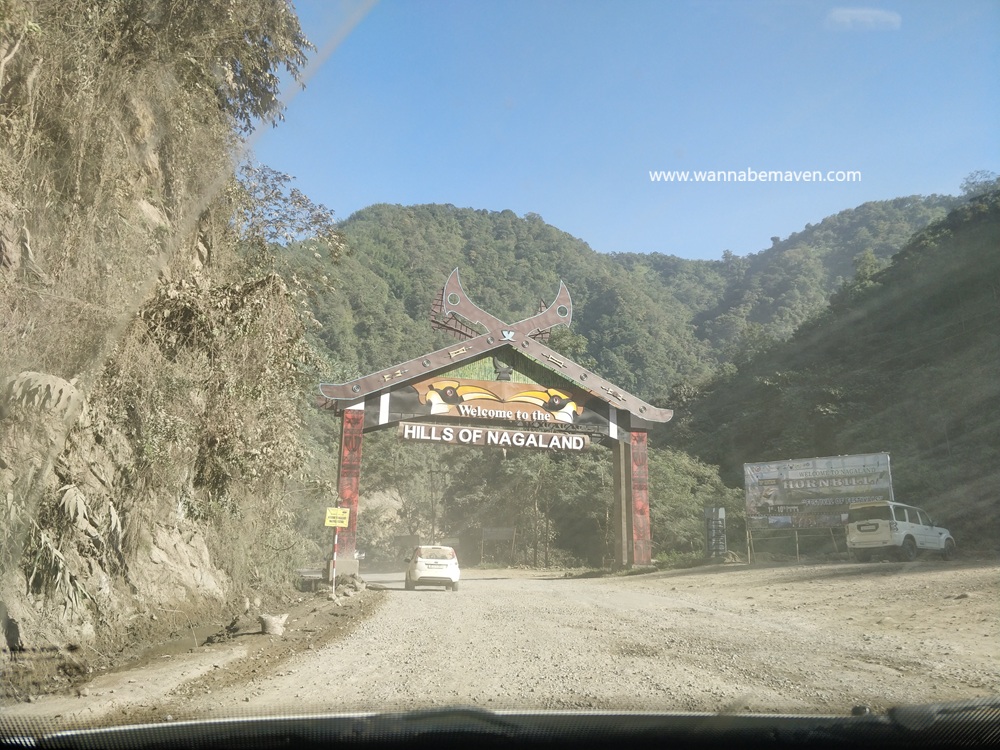
The 70-kilometer ride from Dimapur to Kohima was long and bumpy, but never dull. I shared a taxi with strangers, watching the landscape shift from flat plains to rolling hills, where bamboo groves and terraced fields appeared in soft shades of green. A simple signboard that read “Welcome to the Hills of Nagaland” seemed to mark the beginning of something extraordinary.
Kohima greeted me with the hum of preparations. Red stars hung from bamboo poles, Christmas lights twinkled on rooftops, and the air buzzed with anticipation. In this predominantly Christian state, Christmas holds deep meaning — but it’s the Hornbill Festival, held annually from December 1 to 10 — that truly brings Nagaland to life.
A festival celebrating the people of Nagaland
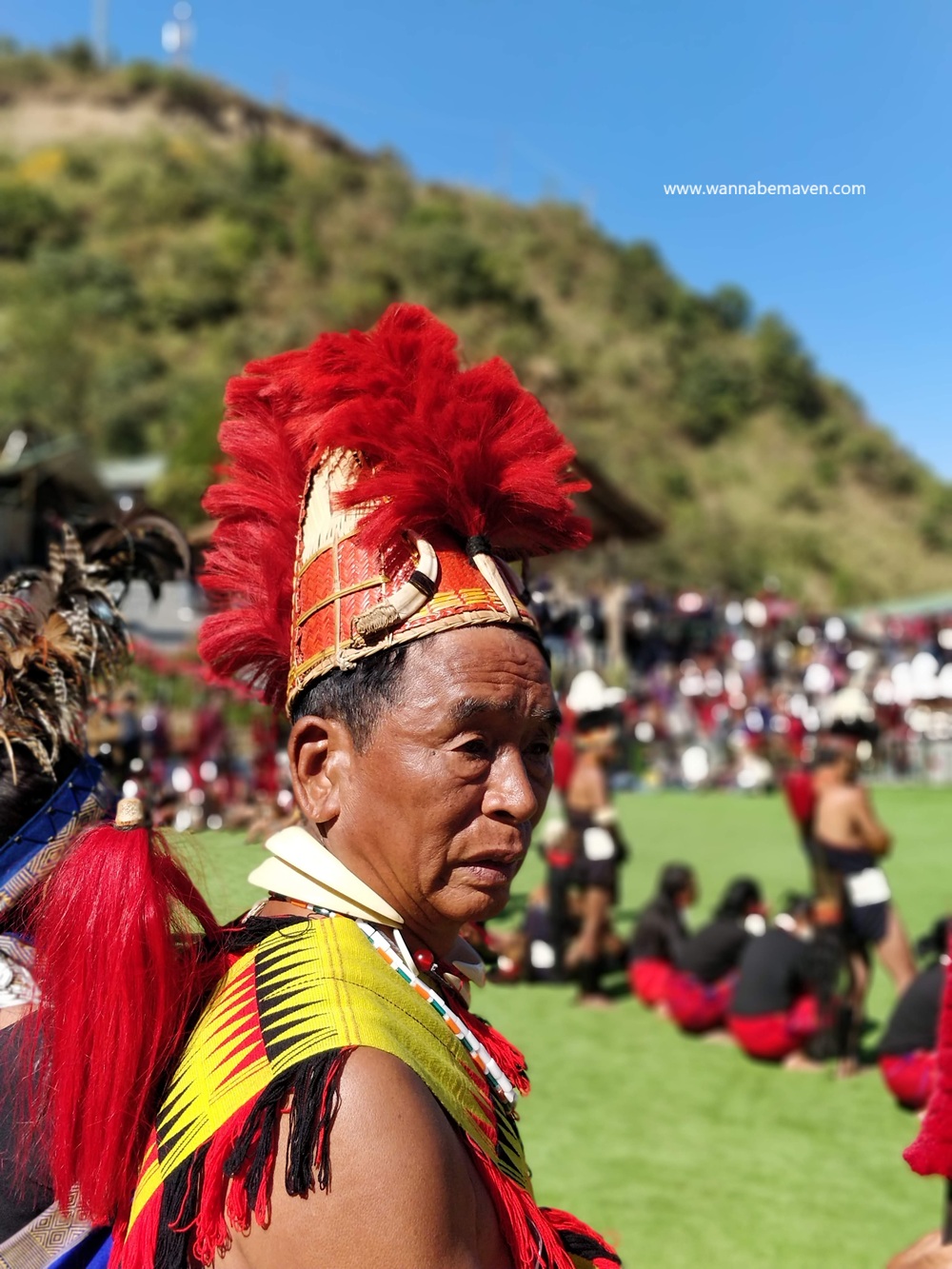
About 13 kilometers outside Kohima, the Kisama Heritage Village becomes the heart of the festivities. Named after the neighbouring villages of Kigwema and Pisama, this cultural village transforms into a living museum for ten days. It is here that all 17 of Nagaland’s major tribes come together to share their traditions, each represented by a morung, or traditional dormitory, filled with symbols of their heritage.
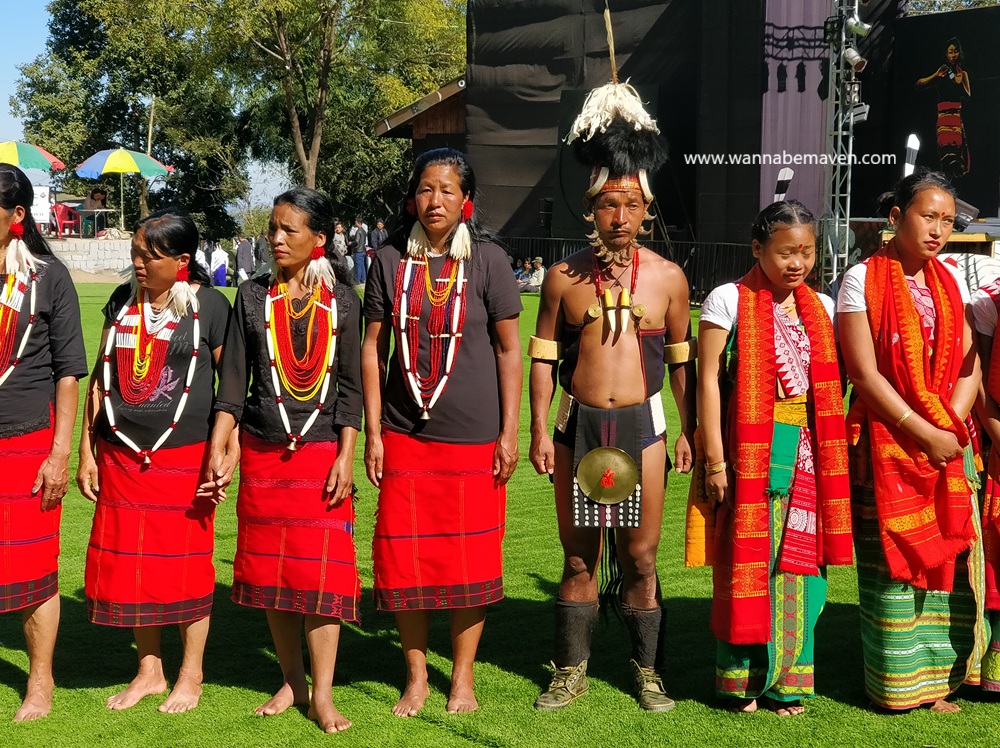
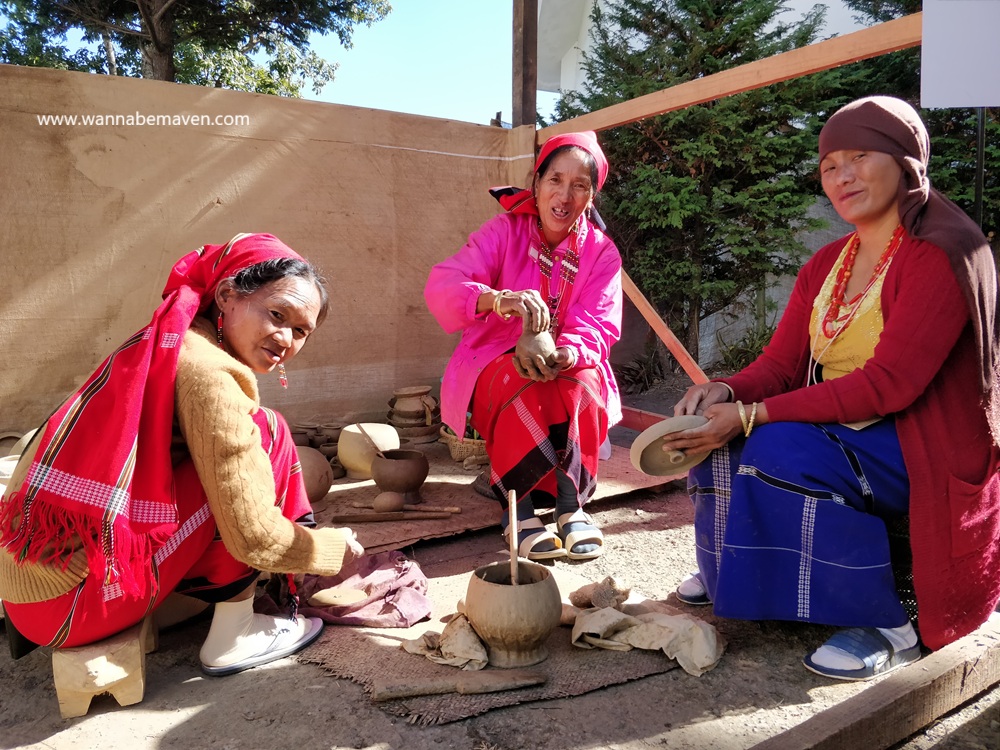
I spent five days wandering through Kisama, each visit revealing something new. The Angami tribe’s morung displayed a massive bison head at its entrance, symbolizing courage, while the Rengma tribe’s area featured rows of old clay pots and wooden vessels used in rituals. Every person I met had a story to tell — about their ancestors, their crafts, their songs.
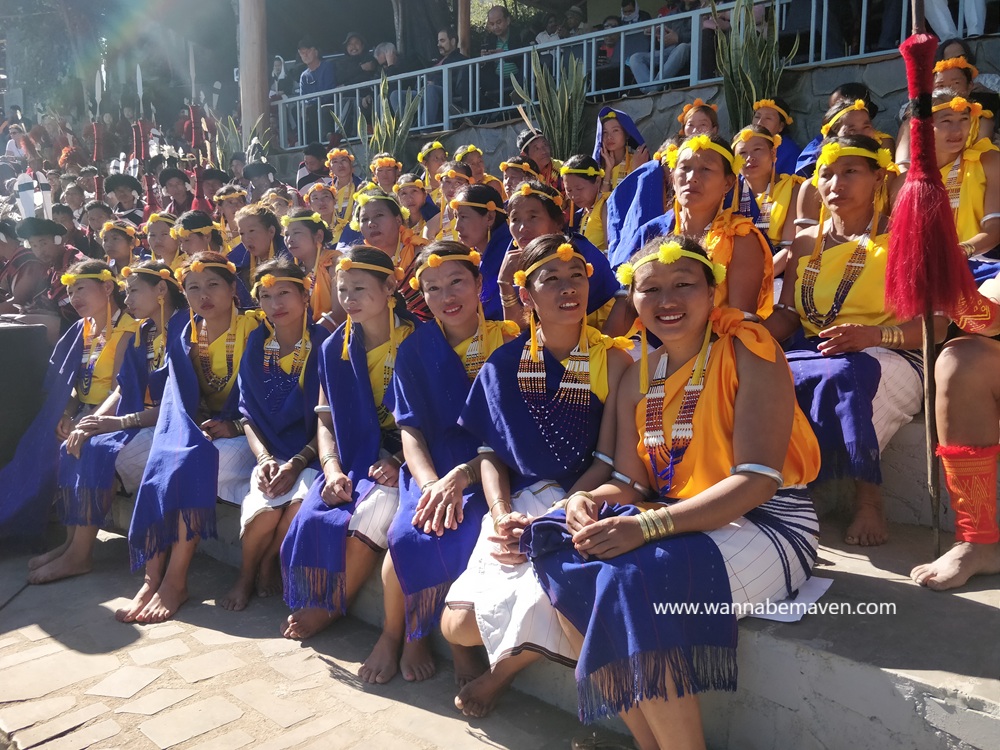
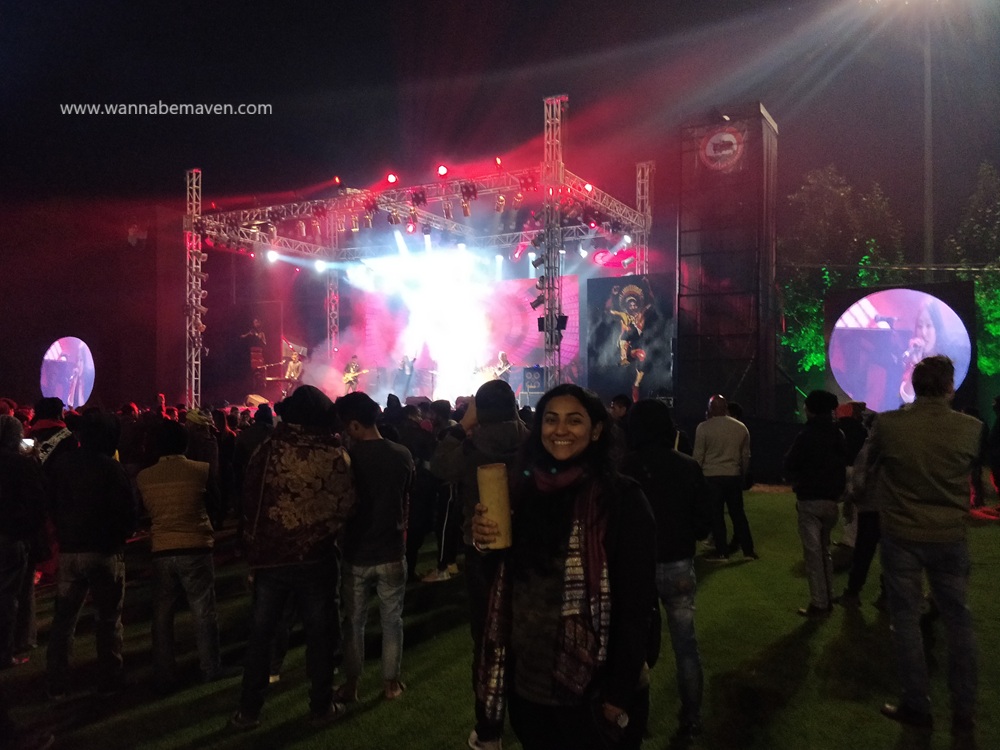
As the sun dipped behind the hills, the mood changed completely. Stages lit up, guitars were tuned, and the crowd came alive. Nagaland has a deep love for music, especially rock, which is evident in the electric energy that filled the night air. Folk tunes gave way to indie performances and classic covers, and I found myself dancing alongside strangers, swept up in the rhythm of it all.
Food of Nagaland
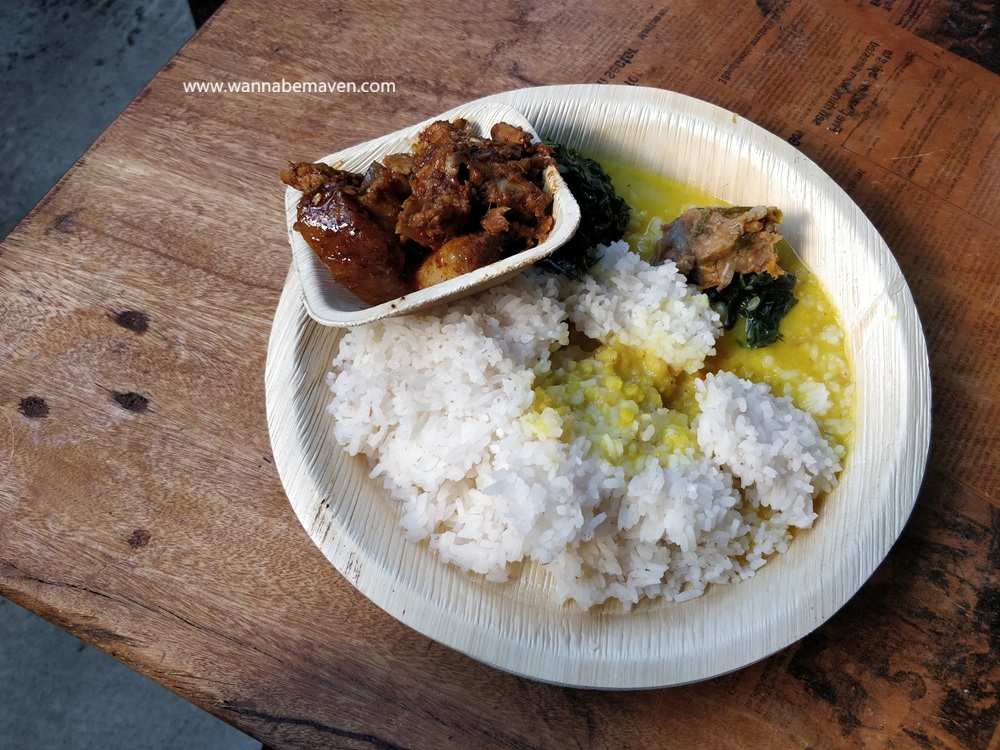
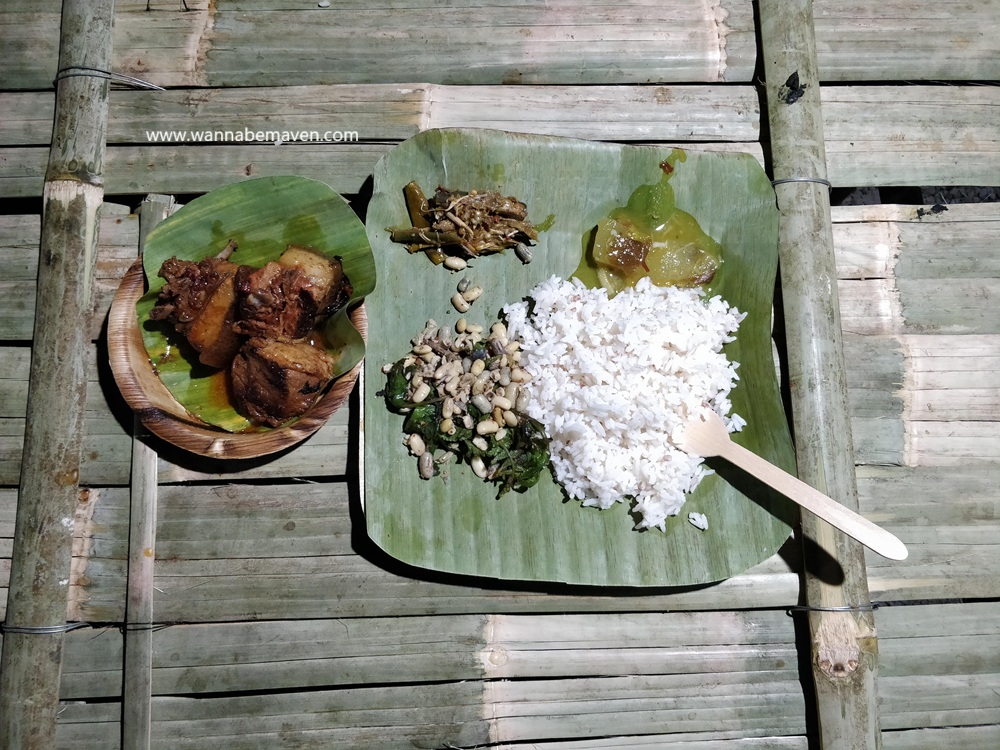
Nagaland’s food tells a story of the land — smoky, spicy, and sometimes daring. At the festival grounds, the smell of grilled meat lingered everywhere. I tried smoked pork, fried silkworms, and Mithun meat simmered in local herbs. The richness of the meat balanced perfectly with Naga dal, colocasia leaves, and a hint of axone, a fermented soybean paste that adds a powerful aroma to many Naga dishes.
To drink, there was Zutho, a mildly fermented rice beer served in wooden gourds. Light and slightly tangy, it was the perfect companion to a meal enjoyed under the open sky.
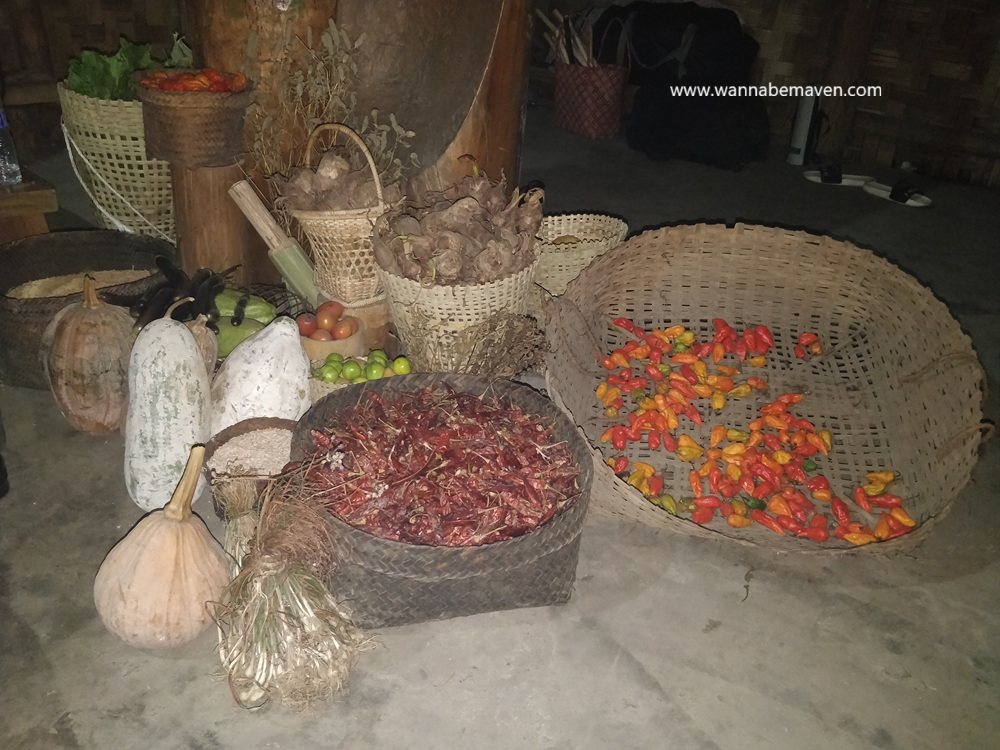
One afternoon, I watched the famous chili-eating contest featuring the Raja Mircha, once crowned the world’s hottest chili. The crowd roared as an Australian contestant managed to eat nine of them in quick succession.
Kohima’s markets were another adventure. Between the festival days, I explored stalls selling fried grasshoppers, wild apple cider, and fresh Naga coffee. My favourite discovery, though, was Nap Naang — a black rice pudding cooked in coconut milk with a rich, nutty taste. Sweet, simple, and comforting, it was the perfect way to end a long day of exploration.
Tracing the past through the Nagaland tourist places
Curious to learn more about Nagaland beyond Hornbill, I joined a free city tour organised by the Hornbill Festival where I met Roukou, a young local guide. His pride in his homeland was infectious.
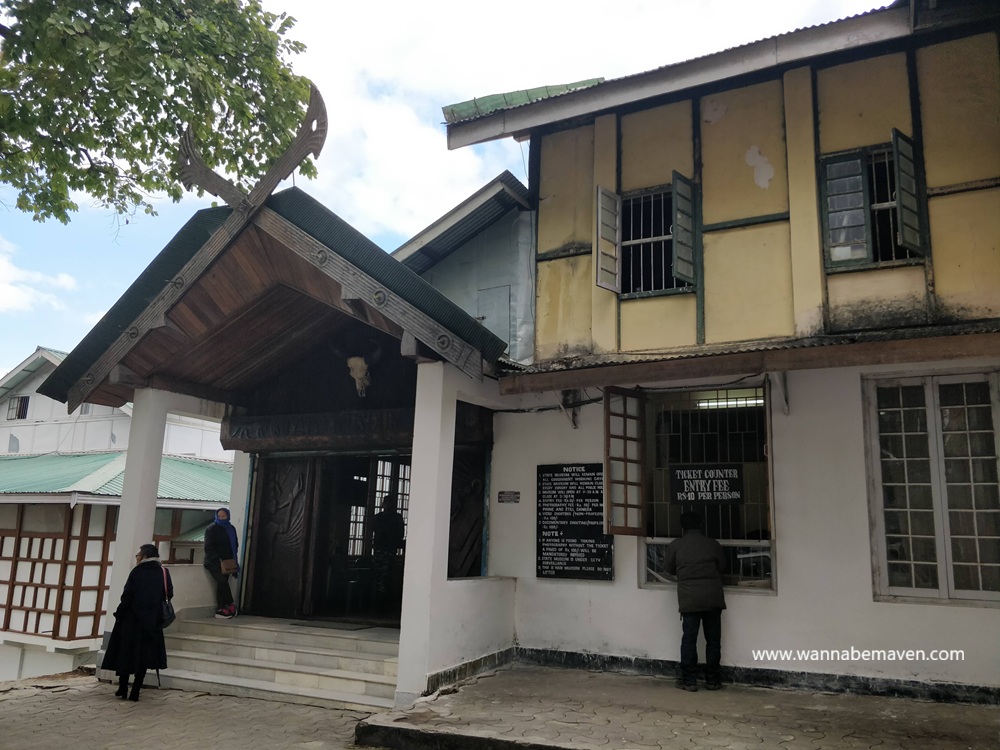
Our first stop was the World War II Museum, which documents the fierce Battle of Kohima fought in 1944. This was one of the defining confrontations that halted the Japanese advance into India. Inside the museum, black-and-white photographs and rusted helmets told stories of sacrifice and survival. It was hard to imagine that these tranquil hills were once the backdrop of such intense conflict.
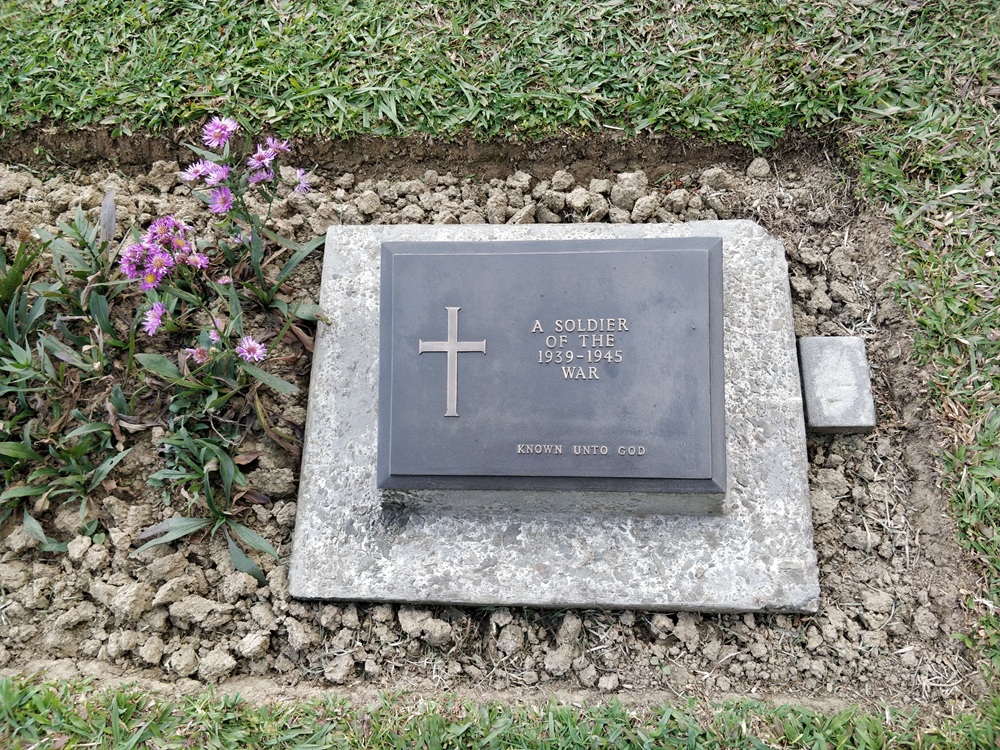
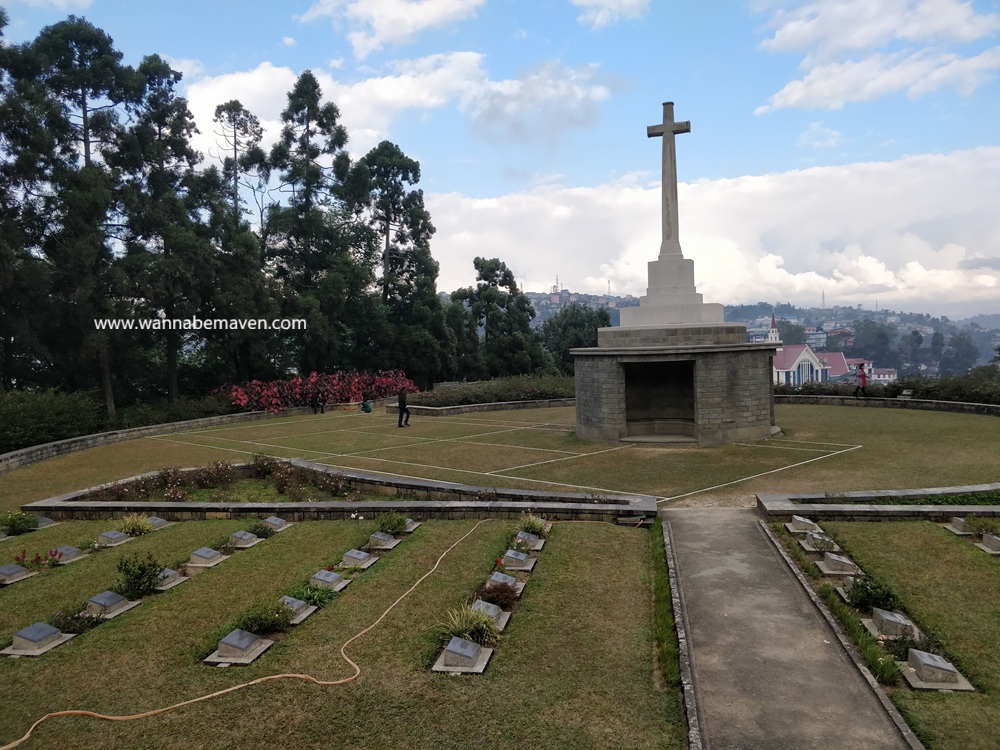
From there, we walked to the Kohima War Cemetery. On a quiet hill, rows of white gravestones marked the resting place of more than 1,400 soldiers. A line inscribed on one grave stayed with me: When you go home, tell them of us and say, for your tomorrow, we gave our today. Standing there, surrounded by the whispers of history, I felt a deep sense of humility.
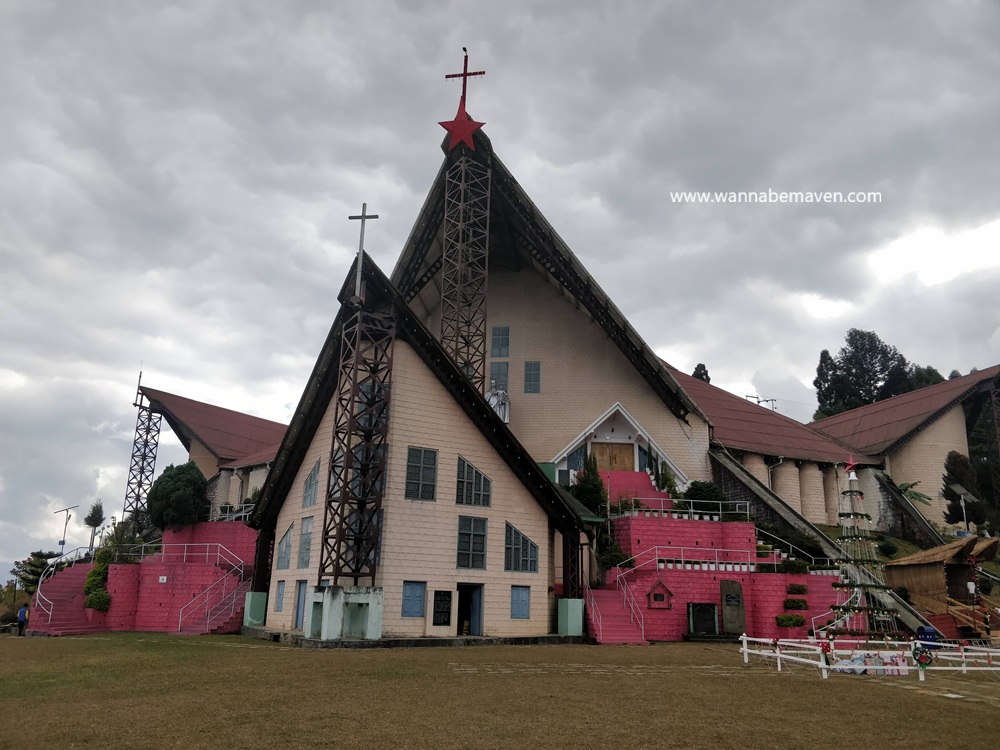
We ended the tour at the Mary Help of Christians Cathedral, one of the most striking churches I’ve ever seen. Built in the shape of a traditional Naga morung, it overlooks the city from a hilltop. Much of its funding came from Japanese donors, offered as a gesture of reconciliation for the soldiers who died in the Battle of Kohima. Inside, sunlight streamed through glass panels onto a massive wooden crucifix — one of the largest in Asia — and the atmosphere was serene, almost otherworldly.
Nature and community living are central to the Nagaland tourist places
If Kohima is where Nagaland’s stories converge, its villages are where they begin. I spent a morning in Khonoma, 50 kilometres away, often called Asia’s first green village. Years ago, the villagers collectively decided to ban hunting and logging to restore their forests. Today, Khonoma stands as a model of sustainable living and community-led conservation. The air felt cleaner, the landscape lusher, and there was a quiet pride in the way the locals spoke of their achievements.
The Khonoma Fort, once a stronghold of resistance against the British, still stands — though partly in ruins — as a symbol of the Angami tribe’s defiance.
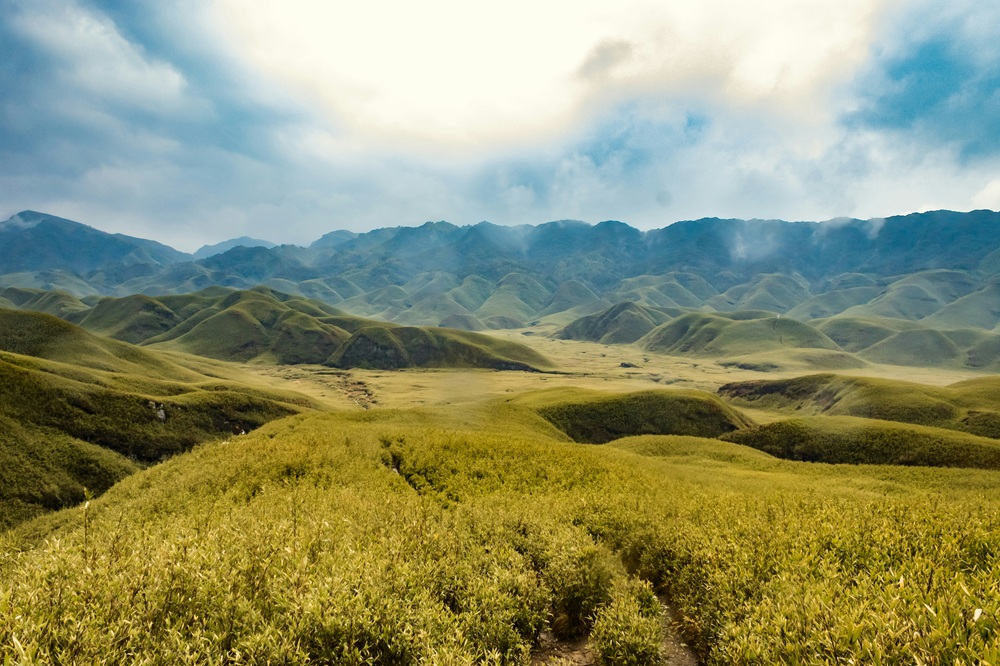
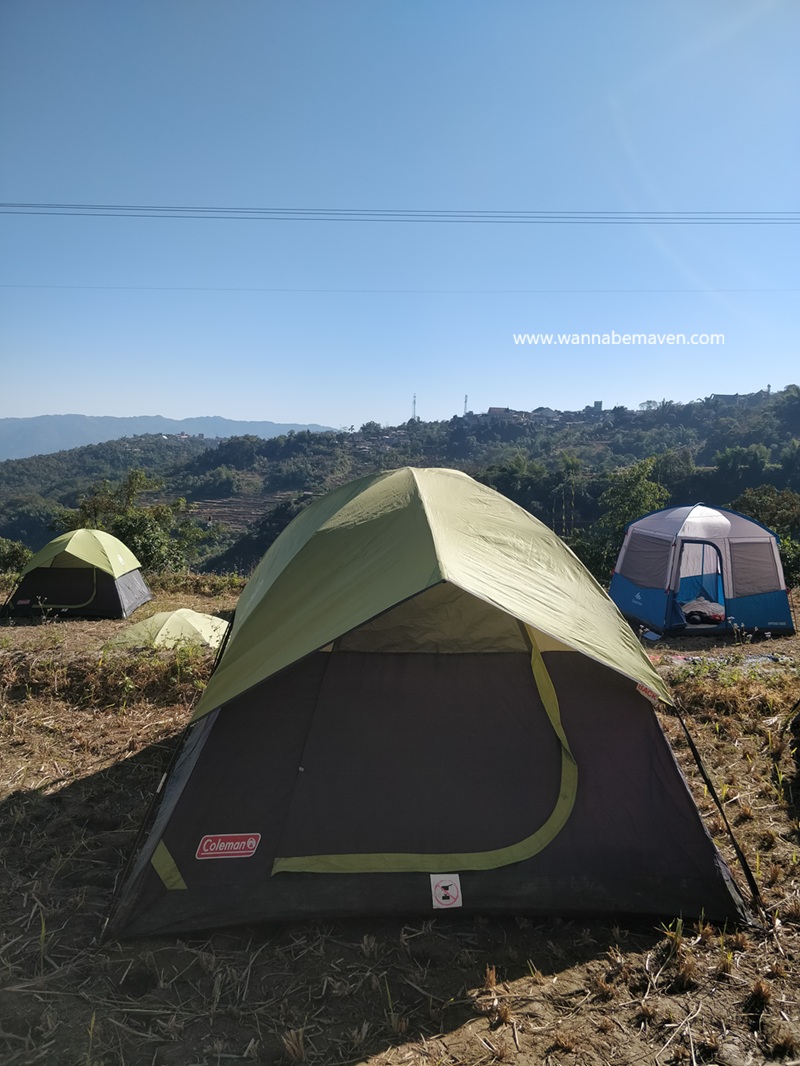
Later, I joined a small group heading for an overnight trek to Dzukou Valley, which straddles the Nagaland–Manipur border. At over 2,400 meters above sea level, it is a sea of emerald-green hills covered in tough bamboo grass. Camping under a canopy of stars and waking up to the valley covered in morning mist was easily the highlight of my trip. There was no network, no noise — just the sound of the wind, and the feeling of being completely free.
Final thoughts on Nagaland tourist places
Nagaland isn’t a place you visit casually; it needs some planning. The roads are rough, the weather unpredictable, and plans often change without warning. But for those who make the effort, it offers an unfiltered connection with land and people. I came for the Hornbill Festival, expecting colour and celebration, and I found both. But I also found courage in the stories of its past, and quiet beauty in its landscapes. Nagaland, I realised, isn’t just a destination. It’s an experience that stays with you long after the music stops.
Where to stay in Nagaland
To fully enjoy the Hornbill Festival, stay near the festival grounds as accommodations fill up quickly. I camped for two nights, then moved to a simple, welcoming homestay nearby. For those planning ahead, Niramaya Retreats and La Colline Resort in Kohima offer upscale options, but require navigating traffic to reach Kisama, the festival site.
How to reach Nagaland
The easiest way to enter Nagaland is by flying into Dimapur airport – check prices for Dimapur flights here. Dimapur also has a railway station. From Dimapur, shared taxis and buses take about three hours to reach Kohima, the state capital and main gateway to the Hornbill Festival.
If you’re coming from Assam, you can also drive directly — the scenic NH29 highway connects Dimapur, Kohima, and further east to Mokokchung. For remote districts like Mon or Tuensang, it’s best to hire a private vehicle, as public transport can be limited and roads are often winding.
Tips for visiting Nagaland tourist places
- Foreign visitors need an Inner Line Permit (ILP), which can be applied for online or at the Nagaland airport.
- Cabs and stays fill up very fast during hornbill as the state’s biggest attraction, so book early.
- ATMs are limited outside major towns and network is patchy for UPIs so carry cash.
- Pack warm: Evenings get cold in the hills.
- Good trekking shoes are worth the investment for mountain and village trails. I rely on these Unistar shoes.